


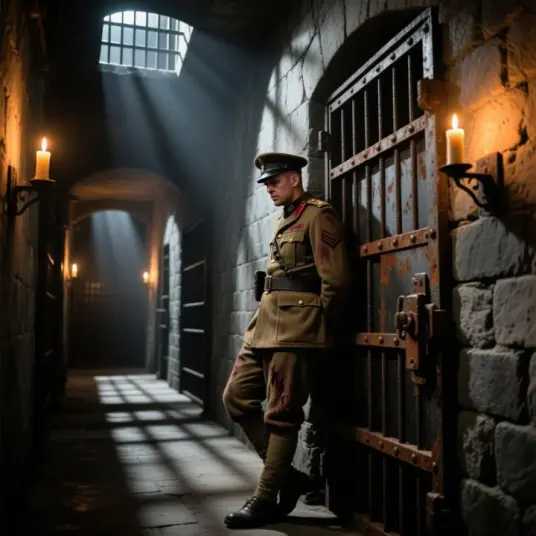
Часовой у Ворот (Guard at the Gate) 1 by AI Composer

AI Composer
Aug 9, 2026
Часовой у Ворот (Guard at the Gate) 1
шансон
[Verse 1] Ночь темна. Лови минуты! Но стена тюрьмы крепка, У ворот ее замкнуты Два железные замка. Чуть дрожит вдоль коридора Огонек сторожевой, И звенит о шпору шпорой, Жить скучая, часовой. [Verse 2] "Часовой!" - "Что, барин, надо?" - "Притворись, что ты заснул: Мимо б я, да за ограду Тенью быстрою мелькнул! Край родной повидеть нужно, Да жену поцеловать, И пойду под шелест дружный В лес зеленый умирать!.." - [Verse 3] "Рад помочь! Куда ни шло бы! Божья тварь, чай, тож и я! Пуля, барин, ничего бы, Да боюся батожья! Поседел под шум военный... А сквозь полк как проведут, Только ком окровавленный На тележке увезут!" [Verse 4] Шепот смолк... Все тихо снова... Где-то бог подаст приют? То ль схоронят здесь живого?. То ль на каторгу ушлют? Будет вечно цепь надета, Да начальство станет бить... Ни ножа! ни пистолета!.. И конца нет сколько жить!
Часовой у Ворот (Guard at the Gate)
Genre
Chanson (Russian narrative ballad)
Gist
A dramatic dialogue between a desperate political prisoner and a weary prison guard, exploring the moral conflict between duty and compassion. The prisoner pleads for help escaping, offering the guard a chance to let him flee into the night, while the guard wrestles with the impossible choice between humanity and the brutal consequences of disobedience.
Themes
- Imprisonment and Desperation: The suffocating reality of incarceration and the primal human need for freedom
- Moral Ambiguity: The tension between institutional authority and personal conscience
- Class and Social Hierarchy: The dynamic between the aristocratic prisoner ("barín") and the working-class soldier
- Futility and Hopelessness: The prisoner's grim acceptance that escape may only lead to death or worse suffering
- Shared Humanity: Recognition that both prisoner and guard are trapped by circumstance and fear
Inspiration
This song draws from the Russian literary tradition of prison narratives, capturing the emotional intensity of your original prompt—a poignant moment of human connection amid institutional cruelty. The dialogue format creates an intimate, theatrical quality that transforms abstract suffering into a personal encounter between two men bound by circumstance, exploring whether compassion can overcome fear and obedience.
Emotional Impact
The song evokes profound melancholy and existential dread. Listeners experience the prisoner's anguish and longing for home, while simultaneously feeling the guard's paralysis—trapped between sympathy and survival. The final verse's haunting uncertainty leaves a lingering sense of tragedy, creating an emotionally resonant meditation on powerlessness, sacrifice, and the human cost of oppressive systems.