


خنده بر لب میزنم (Khandeh Bar Lab) by Mahmoudy

Mahmoudy
Aug 4, 2026
خنده بر لب میزنم (Khandeh Bar Lab)
Epic Pop Acoustic
[Instrumental Intro ] [Cinematic Persian] [Flute Solo] [Verse 1 - Full Choir - Emotional Harmony] (خَندِه بَر لَبْ می زَنم) (تا کَسْ نَدانَد رازه مَن) (وَرْ نَ این دُنیا که دیدیم) (خَندیدَن، نَداشْتْ) بَستَرِ دُنیا به ظُلمُ جُرْ باشَد، دَم بِدَم این خَطایٍ روزُ هَر روزه که بَخْشیدَن، نَداشْتْ [Verse 2 - Female Vocal] [Emotional, expressive voice] شَهر ویران، خانه ویران، باغُ گُلخانه ویران سیبِ کالِ باغِ ویران که، دُزدیدَن نَداشْتْ [Choir Hook] [Full Choir - Emotional Harmony] (خَندِه بَر لَبْ می زَنم) (تا کَسْ نَدانَد رازه مَن) (وَر نَ این دُنیا که دیدیم،) (خَندیدَن، نَداشْتْ) [Verse 3 - Male Vocal] آنقَدَر زَخْمی شُدیم، از چَرخِ دُنیا و فَلَک دیگَر این زَخْمی ما هَم نایِ رَنْجیدَن، نَداشْتْ [Verse 4 - Female Vocal] بوسِه بَرلَبْ می زَنَنْد رویِ گونِه بَهره اِشق وَر نَ این پیره فَلَک، کالای بوسیدَن، نَداشت [Bridge - Male + Female Duet] خار با گُل رویَدُ، کارَش نَ بهتَر دیدَن است خاره تَنها جُزْ بیابان که، رویدَن نَداشْتْ گر خَطا شُد بی غَرَضْ، از آن بِباید دَرگُذَشت با بَرادَر اِی بَرادَر قَهرُ جَنگیدَن، نَداشْتْ [Choir Hook - Bigger] (خَندِه بَر لَبْ می زَنم) (تا کَسْ نَدانَد رازه مَن) (وَرنَه این دُنیا که دیدیم،) (خَندیدَن، نَداشْتْ) [Verse 5 - Male Vocal] پایِ ما لَغْزید در دُنیا، به پایِ هیچُ پوچ قَلْبِ ما اَمّا به قُرآن، قَصْدِ لَغْزیدَن، نَداشتْ [Verse 6 - Female Vocal] ما گُذَشتیمُ گُذَشت از ما، وَلیکَن ای خُدا خونُ خونریزی دُنیا، که اَرزشِ دیدَن، نَداشتْ [Final Chorus - Choir + Duet] (خَندِه بَر لَبْ می زَنم) (تا کَسْ نَدانَد رازه مَن) (وَرنَه این دُنیا که دیدیم،) (خَندیدَن، نَداشْتْ) وَرنَه این دُنیا که دیدیم، خَندیدَن، نَداشتْ [Final Bridge - Female Vocal] از چه می رَقصی عَزیزه مَن، به فَریادَ غَمَمْ این تَرانه، این صِدا، این غَمْ، که رَقصیدَن، نَداشْتْ [Grand Final Chorus - Full Choir] (خَندِه بَر لَبْ می زَنم) (تا کَسْ نَدانَد رازه مَن) (وَرنَه این دُنیا که دیدیم،) (خَندیدَن، نَداشْتْ) وَرْ نَ این دُنیا که دیدیم، خَندیدَن، نَداشْتْ [Outro ]
خندِه بَر لَبْ می زَنم
Khandeh Bar Lab
Genre
Epic Pop Acoustic with Persian Cinematic Elements
Gist
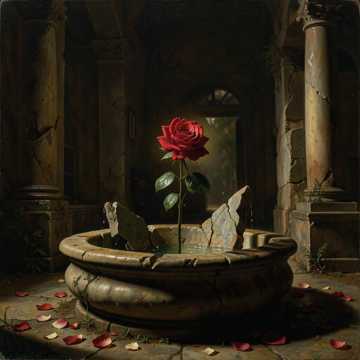
A profound meditation on resilience and masked suffering, this song chronicles humanity's journey through a world steeped in injustice and heartbreak. The narrator wears a smile to conceal deep wounds, questioning why laughter exists in a world defined by destruction, loss, and unforgiven sins. Through poetic Persian verses, it explores themes of spiritual resilience and the paradox of finding joy amid devastation.
Themes
- Masked Suffering: The central motif of smiling to hide inner pain and personal secrets
- Worldly Corruption: Cities in ruins, gardens destroyed, and the absence of redemption
- Spiritual Fortitude: Hearts anchored to the Quran despite worldly betrayal
- Forgiveness and Reconciliation: The call for compassion between brothers despite conflict and bloodshed
- The Duality of Existence: The coexistence of thorns and flowers, wounds and resilience
- Existential Questioning: Why does humanity continue to dance, sing, and love in a broken world?
Inspiration
Your request for a cinematic Persian composition with emotional choir harmonies and poetic Farsi lyrics inspired this deeply introspective anthem. The layered vocal arrangement—featuring male and female soloists within a full choir—brings your vision of collective human experience to life, while the traditional flute solo and cinematic orchestration ground the piece in authentic Persian musical tradition. The repetitive hook structure you outlined creates a haunting refrain that encapsulates the song's central paradox: maintaining hope and expression despite overwhelming sorrow.
Emotional Impact
This composition evokes profound catharsis and introspection. Listeners experience a journey from quiet desperation through collective acknowledgment of shared suffering to ultimate acceptance. The interplay between intimate solo moments and powerful choir sections creates an intimate yet universal resonance, leaving audiences emotionally moved and contemplative about resilience, forgiveness, and the human spirit's capacity to transcend tragedy.