


0
Why Are AI-Generated Songs Dominating Spotify and TikTok Charts in 2025?

Why Are AI-Generated Songs Dominating Spotify and TikTok Charts in 2025?
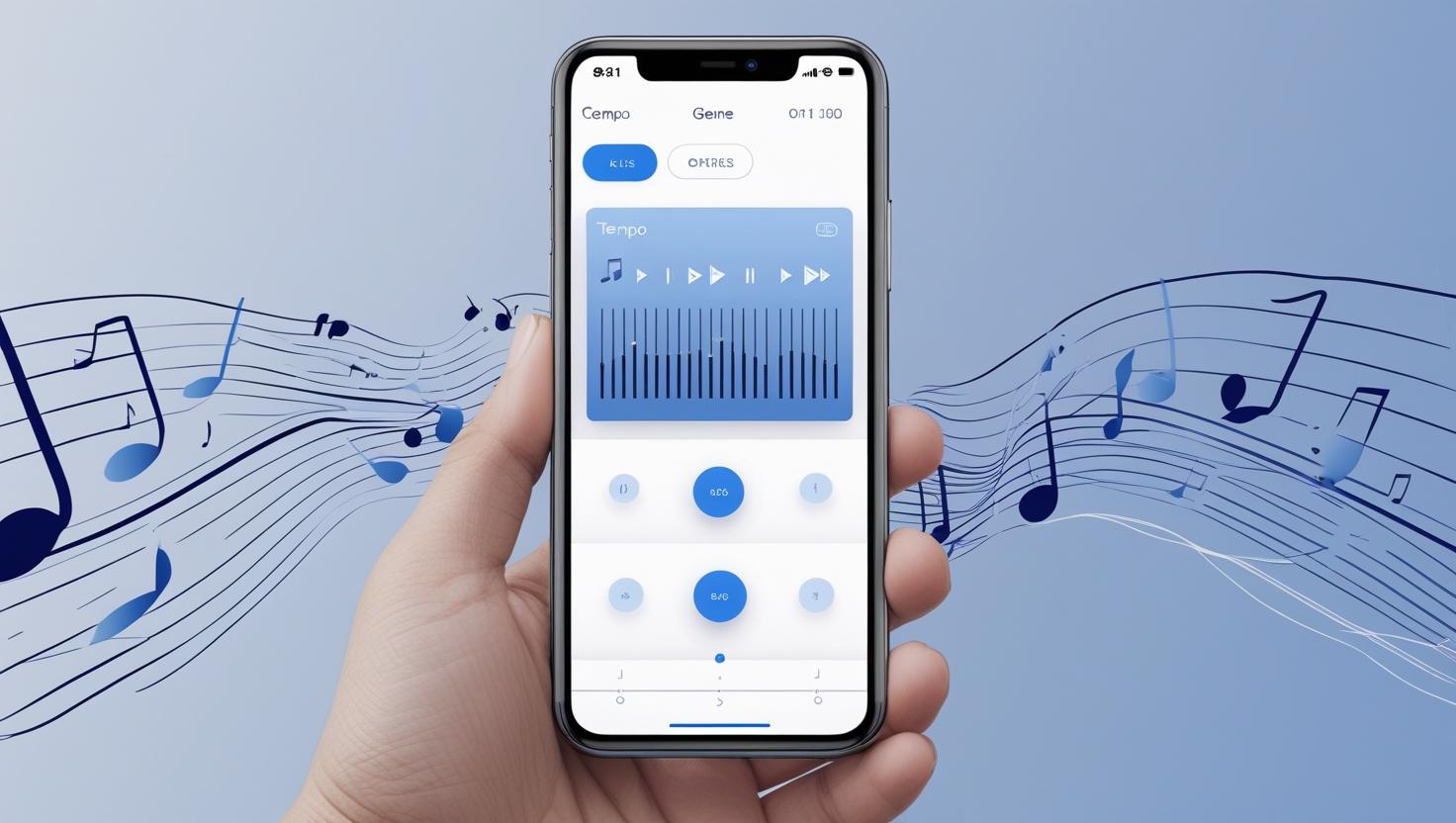
Imagine a world where chart-topping hits are crafted not just by human ingenuity, but by algorithms that understand the very essence of what makes a song resonate. This isn't a futuristic fantasy; it's the reality of 2025, where AI-generated songs are rapidly becoming a force to be reckoned with on platforms like Spotify and TikTok. In fact, the AI in music market is projected to grow from $4.48 billion in 2025 to $10.43 billion in 2029, a staggering CAGR of 23.5% [Source: The Business Research Company]. So, how did we get here?
How Much of the Music Industry is AI-Powered in 2025?
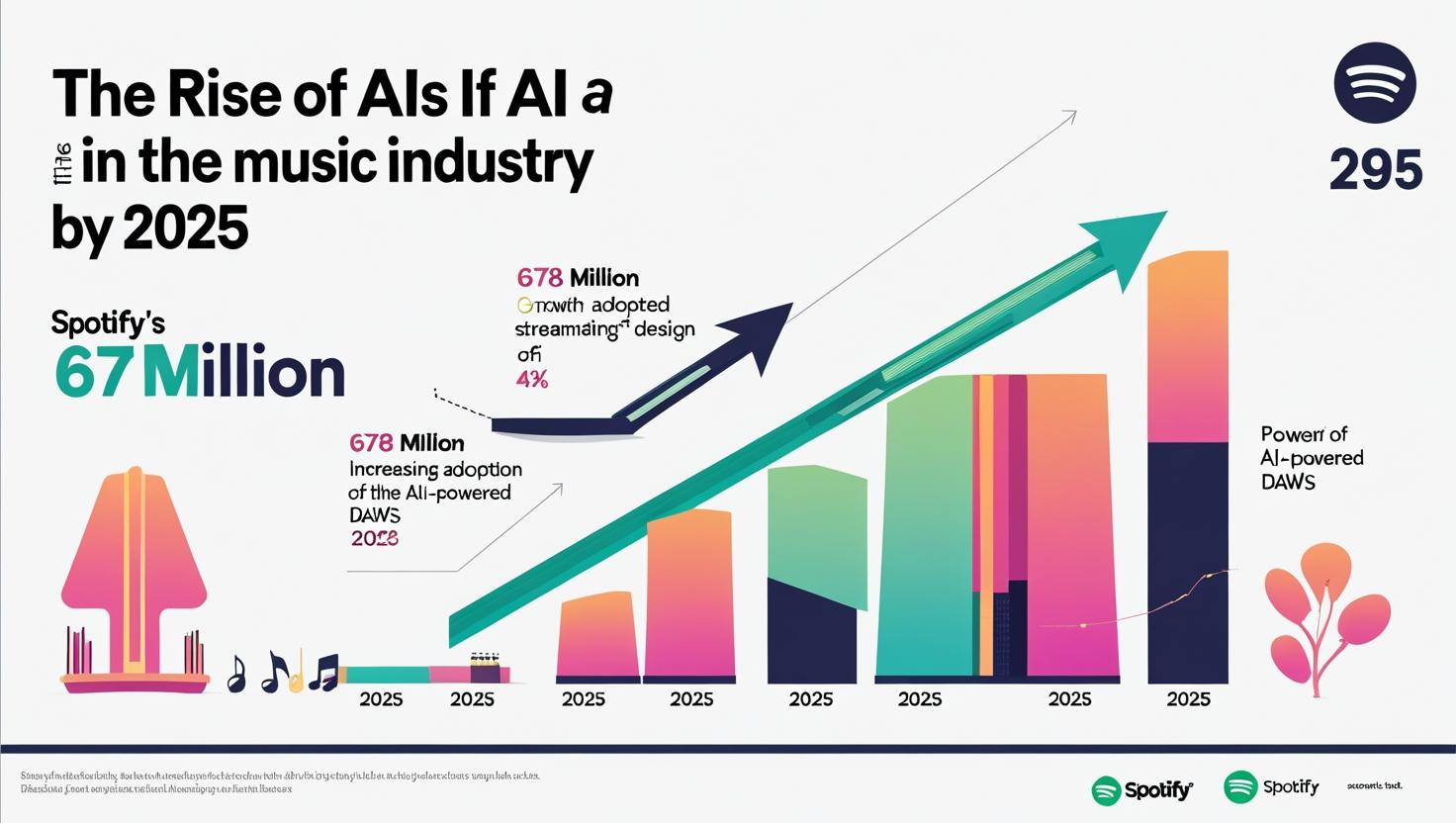
The numbers tell a compelling story. While precise figures for AI's market share on streaming platforms in 2025 are still emerging, industry experts predicted a significant leap in adoption. By March 2025, Spotify itself, with a whopping 678 million users, was already exploring how AI could shape its playlists, even allegedly commissioning generic AI-generated music for "chill instrumental beats" playlists [Source: Metro Philadelphia]. This indicates a strategic embrace of the technology, not just by independent creators, but by the platforms themselves.
The rise of AI-powered digital audio workstations (DAWs) and tools that automate mixing, mastering, and even suggest arrangements, are democratizing music production, making it accessible to a wider audience than ever before [Source: Cassette AI]. This ease of creation, coupled with the sheer volume of AI-generated content, is undeniably contributing to its growing presence.
What Role Does AI Play in Music Creation and Distribution Today?
AI's impact extends far beyond simply generating melodies. Think of it as a multi-purpose tool that is transforming various stages of the music lifecycle.
SongGPT: Your New Creative Collaborator?
Leading the charge in accessible AI music generation is SongGPT. Platforms like SongGPT are empowering artists, hobbyists, and even those with no musical background to create original tracks with remarkable ease. With an estimated 521 million total users of ChatGPT-powered applications by June 2025 [Source: First Page Sage], the sheer accessibility and user-friendliness of these AI tools are undeniable.
SongGPT, for instance, allows users to input text prompts, generate lyrics, and even specify moods and genres, essentially acting as a creative assistant that can jumpstart the songwriting process. This has opened up the world of music creation to a vastly larger demographic, leading to an explosion of new content.
Beyond SongGPT, other AI music generators are also making waves, offering diverse features from voice transformation to advanced editing capabilities. These tools allow for unprecedented experimentation with new sounds and genres, pushing the boundaries of what's possible in music.
Are AI-Generated Songs Truly "Good" Enough for the Charts?

The quality of AI-generated music has evolved at a breathtaking pace. Gone are the days of sterile, algorithmic sounds. In 2025, AI is capable of producing sophisticated and emotionally resonant tracks. AI models trained on millions of songs can now generate compositions with intricate melodies, harmonies, and even lyrics that capture specific moods.
For example, some top trending AI songs of 2025 include emotional ballads like "Tere Bina" and motivational anthems such as "Aasmaan," showcasing the versatility and emotional depth AI can now achieve [Source: Top 8 Trending AI Songs of 2025 | AI-Generated Music That Will Touch Your Heart! on YouTube]. The continuous refinement of AI algorithms, coupled with human post-processing and artistic direction, allows for the creation of truly compelling music.
How are Streaming Platforms Leveraging AI for Curation and Discovery?
Streaming platforms are not just passively receiving AI-generated music; they are actively integrating AI into their core operations. Spotify, for instance, has introduced "AI Playlist (Beta)," allowing users to create playlists simply by typing in unique prompts [Source: Spotify Support]. This hyper-personalization, driven by advanced algorithms, means that listeners are increasingly exposed to music tailored to their specific tastes, regardless of whether it's human-made or AI-generated.
AI also plays a crucial role in music discovery and marketing, predicting emerging trends and helping artists strategically release music to the right audience [Source: Cassette AI]. This algorithmic advantage can significantly boost the visibility of AI-generated tracks.
| Reason for Ranking | Spotify's Approach | TikTok's Approach |
|---|---|---|
| Algorithmic Favoritism | AI Playlist (Beta): Enables hyper-personalized playlists from user prompts, increasing exposure for AI-generated tracks that fit specific niches. Content-based Filtering: Analyzes audio characteristics (tempo, mood, danceability) of AI songs, matching them to user listening patterns. | Sound-Driven Algorithm: Prioritizes videos with trending or high-engagement audio, a perfect fit for novel AI-generated sounds. Engagement Signals: Rewards videos with high watch time, saves, and shares, amplifying AI tracks that resonate with users. |
| Ease of Creation & Volume | AI tools like SongGPT (and others) democratize music production, leading to a flood of new, high-quality AI tracks. This increased content volume provides more material for Spotify's algorithms to recommend. | Low Barrier to Entry: AI music generators empower anyone to create music for videos, massively increasing the volume of original sounds. This aligns with TikTok's user-generated content model. |
| Hyper-Personalization | Beyond general genres, AI can create music for specific moods or activities, making it highly relevant for individual listeners and more likely to be added to personalized playlists like Discover Weekly and Release Radar [Source: Ditto Music]. | AI-driven content curation on TikTok ensures users discover music tailored to their interests, often leading to viral trends that propel songs to mainstream charts [Source: The Short Media]. |
| Trend Responsiveness | AI can analyze vast amounts of data to identify emerging musical trends and patterns. AI-generated music can be rapidly produced to align with these trends, giving it an edge in reaching trending playlists. | AI allows creators to quickly adapt to viral challenges and popular sounds, or even generate new sounds that spark trends, making AI music inherently agile and suitable for TikTok's fast-paced environment [Source: Jack Righteous]. |
| Cost-Effectiveness | AI significantly reduces the need for expensive studio time, session musicians, and complex production, making it more feasible for independent creators and labels to produce and release music frequently. | The ability to create original, high-quality background music for videos without licensing fees or complex production processes makes AI music highly attractive for TikTok creators. |
| Seamless Integration | Spotify actively integrates features like "Add to Spotify" directly from TikTok, making it easier for users to save and listen to AI-generated songs they discover on TikTok [Source: Spotify]. | TikTok's new sharing features allow users to share songs directly from Spotify, creating a seamless loop between discovery on TikTok and consumption on Spotify [Source: Playlist Push]. |
What are the Financial Implications of AI Music for Artists?
The rise of AI-generated music brings both opportunities and challenges for artists. While AI tools can significantly reduce production costs and time, enabling independent artists to create high-quality music without expensive studio time [Source: Cassette AI], the question of fair compensation and intellectual property remains a hot topic.
As of April 2025, discussions continue on copyright laws adapting to AI-created compositions, emphasizing the need to protect human authorship while embracing AI's creative potential [Source: IPRMENTLAW]. The industry is striving for frameworks that ensure artists are fairly compensated for their work, even as AI democratizes music creation.
Will AI Replace Human Artists in the Future of Music?
Rather than replacement, 2025 is witnessing an era of human-AI collaboration. AI is becoming a powerful co-creator, helping artists overcome creative blocks, generate new ideas, and enhance their artistic vision [Source: Cassette AI]. Musicians are using AI to automate repetitive tasks like mixing and arranging, freeing up their time to focus on the heart of their creative process.
The future of music is likely to be a synergistic blend where human expression and AI innovation work hand-in-hand, pushing the boundaries of what's possible in sound. As seen at MWC 2025, AI is not just about optimizing processes, but expanding creative boundaries, demonstrating that "AI is not only transforming the music industry, but it is redefining the cultural expression as a whole" [Source: SonoSuite].
What are the Ethical Considerations in AI-Generated Music?
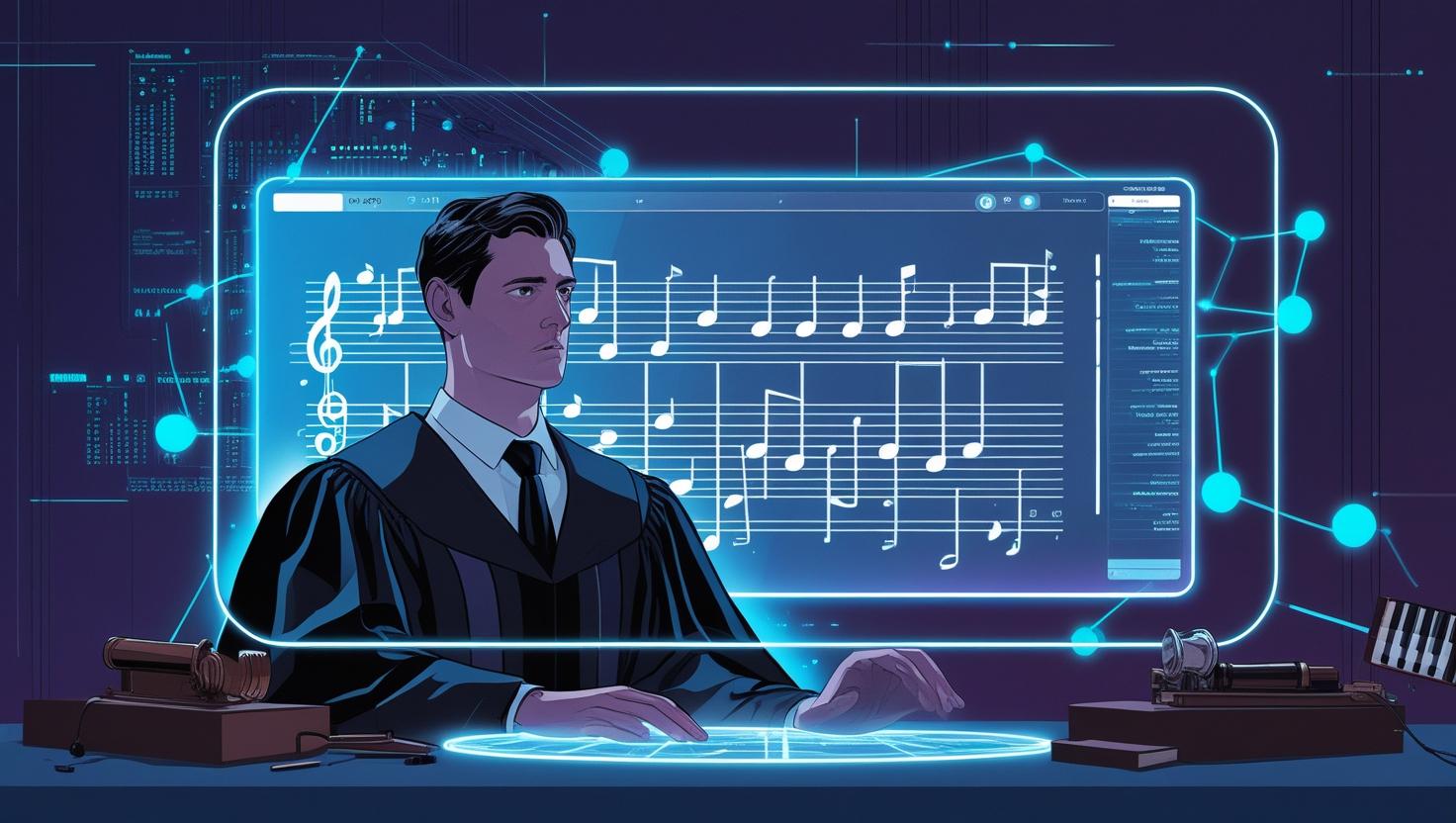
As AI music becomes more prevalent, critical ethical questions arise. Authorship and ownership of AI-generated music are central concerns. The US Copyright Office, in January 2025, reinforced that copyright protection applies to "original works of authorship" created by humans, denying protection for works generated solely by AI [Source: ItsArtLaw.org].
This highlights the ongoing debate about distinguishing between AI-assisted creation and purely AI-generated content. Furthermore, the use of AI to clone artist voices without consent has led to legal challenges, with courts, such as in India with the Arijit Singh v. Codible Ventures LLP case, upholding personality rights for performers [Source: IPRMENTLAW].
What are the Key Trends to Watch in AI Music for the Coming Years?
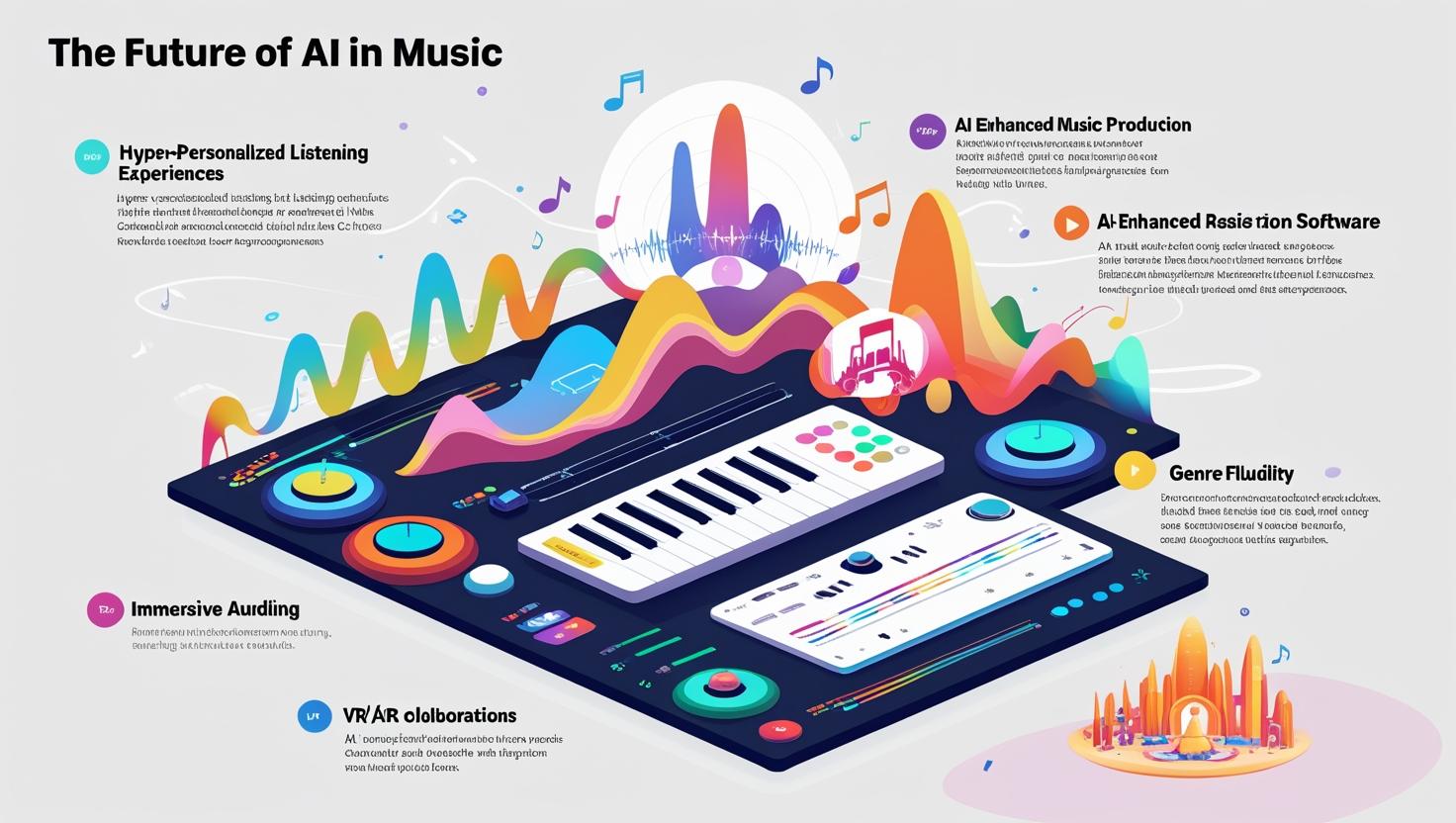
Beyond chart dominance, several trends are shaping the future of AI music:
- Hyper-personalized listening experiences: Expect AI to dynamically create unique, tailored compositions based on a listener's mood, past preferences, and contextual factors [Source: Cassette AI].
- AI-enhanced music production software: AI will continue to integrate deeply into DAWs, assisting with everything from arrangement to mastering [Source: Kits.AI].
- Genre fluidity: AI is helping artists break traditional genre boundaries, fostering a more fluid approach to music creation [Source: Xound.io].
- Immersive audio experiences: The demand for spatial audio and other immersive sound experiences is on the rise, with AI playing a role in their creation [Source: Xound.io].
- VR, AR, and AI collaborations: Virtual and augmented reality will increasingly integrate with AI to create unique concert experiences and interactive fan engagement [Source: SonoSuite].
Conclusion
The ascent of AI-generated songs on Spotify and TikTok charts in 2025 is a testament to the rapid advancements in AI technology and its increasing accessibility. From powerful tools like SongGPT empowering everyday creators to streaming platforms leveraging AI for hyper-personalization, the musical landscape is undergoing a profound transformation.
While ethical and legal considerations are being addressed, the synergistic relationship between human creativity and artificial intelligence is poised to redefine the rhythm of creative expression for years to come.
Pro Tip
Ready to experience the future of music creation? Try SongGPT today and see how AI can enhance your creative process while maintaining your unique artistic voice.