


0
How Creators Are Monetizing AI Music Made with SongGPT on Spotify and YouTube?

How Creators Are Monetizing AI Music Made with SongGPT on Spotify and YouTube?
The symphony of the internet is evolving, and in 2025, a revolutionary crescendo is taking shape: AI-generated music. Forget the notion of soulless algorithms; we're witnessing a vibrant new era where creators, armed with tools like SongGPT, are not just composing, but actively monetizing their AI-powered sonic masterpieces across platforms like Spotify and YouTube. This isn't a futuristic fantasy; it's the present, and the numbers are singing!
Did you know that the AI music industry is projected to hit a staggering $6.2 billion by the end of 2025? This is a significant jump from just $3.9 billion in 2023, showcasing an impressive annual growth rate of 25.8% between 2024 and 2033. Furthermore, the generative AI music sector alone is anticipated to reach $2.92 billion this year, expanding to an estimated $18.47 billion by 2034 with a CAGR of 22.72% from 2025-2034. These aren't just figures; they're a testament to the seismic shift happening in music creation and consumption.
So, how exactly are creators tapping into this golden age of algorithmic artistry?
How Are Creators Monetizing AI Music on Spotify and YouTube?
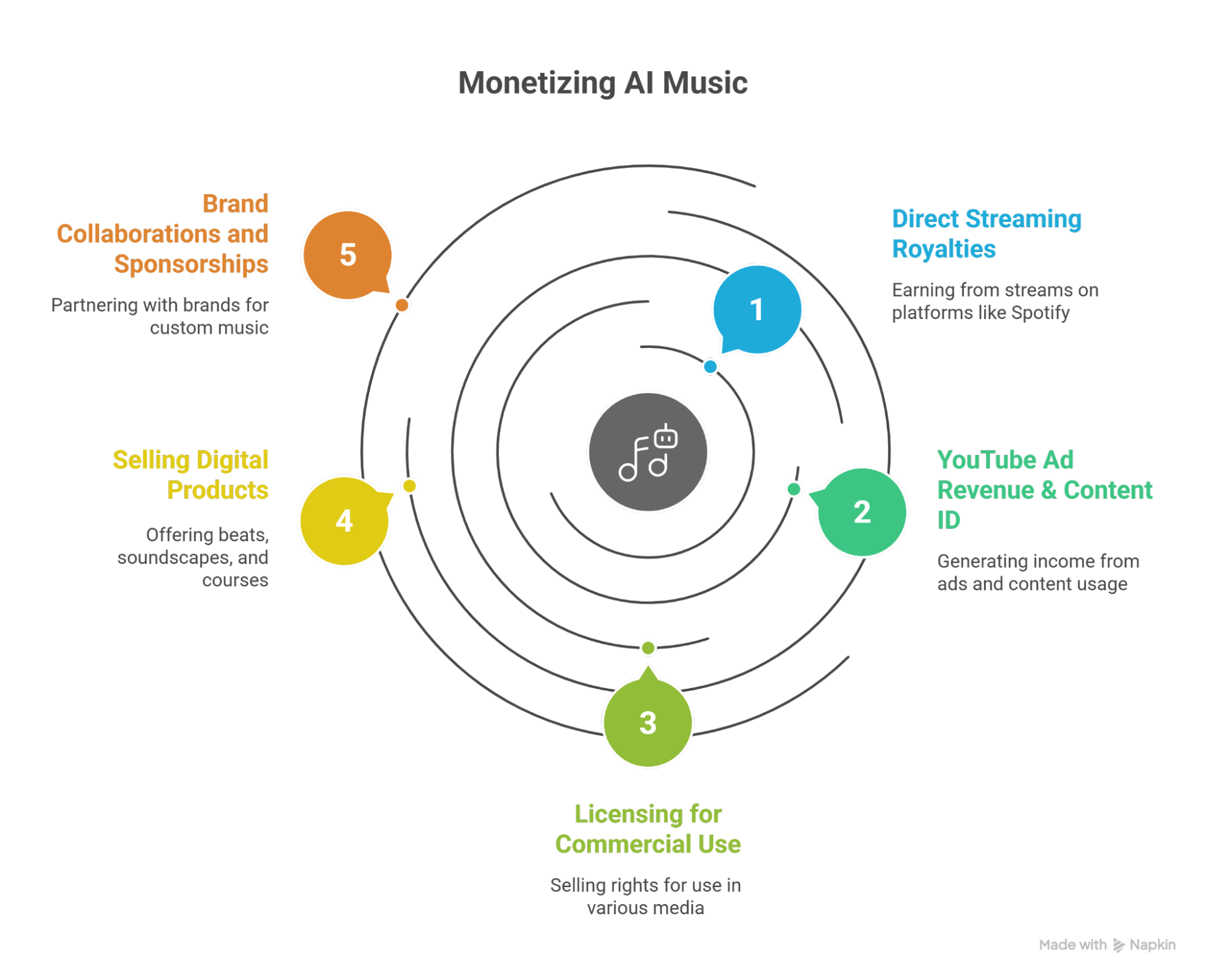
The avenues for monetization are as diverse as the genres AI music can generate. Creators are embracing various strategies to turn their AI-generated tracks into tangible income streams.
- Direct Streaming Royalties: This is perhaps the most straightforward method. Creators use distribution services like DistroKid to upload their SongGPT-generated tracks to major streaming platforms such as Spotify, Apple Music, and YouTube Music. Every stream translates into royalties. Imagine an independent artist creating dozens of instrumental tracks with SongGPT, distributing them, and earning a passive income as listeners discover their unique AI-crafted soundscapes.
- YouTube Ad Revenue & Content ID: YouTube, with its 2.49 billion monthly active users, is a fertile ground for AI music monetization. Creators produce thematic music series using SongGPT, pair them with engaging visuals (even AI-generated artwork!), and optimize their videos with relevant keywords. By joining the YouTube Partner Program, they earn ad revenue. Moreover, YouTube Content ID allows creators to earn money when their AI music is used in other creators' videos, opening up a broader revenue stream.
- Licensing for Commercial Use: AI-generated music, especially from platforms like SongGPT that offer clear licensing, is highly sought after for various commercial applications. This includes background music for podcasts, videos, advertisements, and even video games. A creator could generate a vast library of royalty-free tracks with SongGPT and license them out to businesses or fellow content creators, creating a recurring income.
- Selling Digital Products (Beats, Soundscapes, Courses): Beyond streaming, creators are packaging their SongGPT creations as digital products. This could be selling individual AI-generated beats to aspiring rappers, ambient soundscapes for meditation apps, or even entire albums. Some creators are even developing courses and tutorials on "How to make viral AI music with SongGPT," capitalizing on the growing interest in this technology.
- Brand Collaborations and Sponsorships: As AI music gains traction, brands are recognizing its potential for unique marketing campaigns. Creators with a strong audience around their AI music can secure sponsorships to create custom tracks for brands, enhancing their brand identity or product launches.
What are the Key Statistics Driving This Trend?
The rapid adoption and impressive growth in AI music aren't just anecdotal. The numbers tell a compelling story:
- Approximately 60% of musicians are now incorporating AI tools into their workflow for tasks ranging from mastering and composing to generating artwork for their projects. This highlights AI's role not as a replacement, but as a powerful assistant.
- AI-generated music is projected to boost the overall music industry's revenue by an estimated 17.2% in 2025. This signifies a substantial economic impact.
- A remarkable 82% of listeners reportedly cannot distinguish between human-made and AI-generated music. This speaks to the increasing quality and sophistication of AI music creation.
- A significant 74% of internet users have utilized AI in some capacity to discover or share music, underscoring AI's influence on music discovery.
Which AI Music Generators Are Creators Using, and What Are Their Strengths?
The market for AI music generators is flourishing, with new tools emerging regularly. While SongGPT is a prominent player, offering a comprehensive suite of features, creators often explore a variety of tools to fit their specific needs.
SongGPT
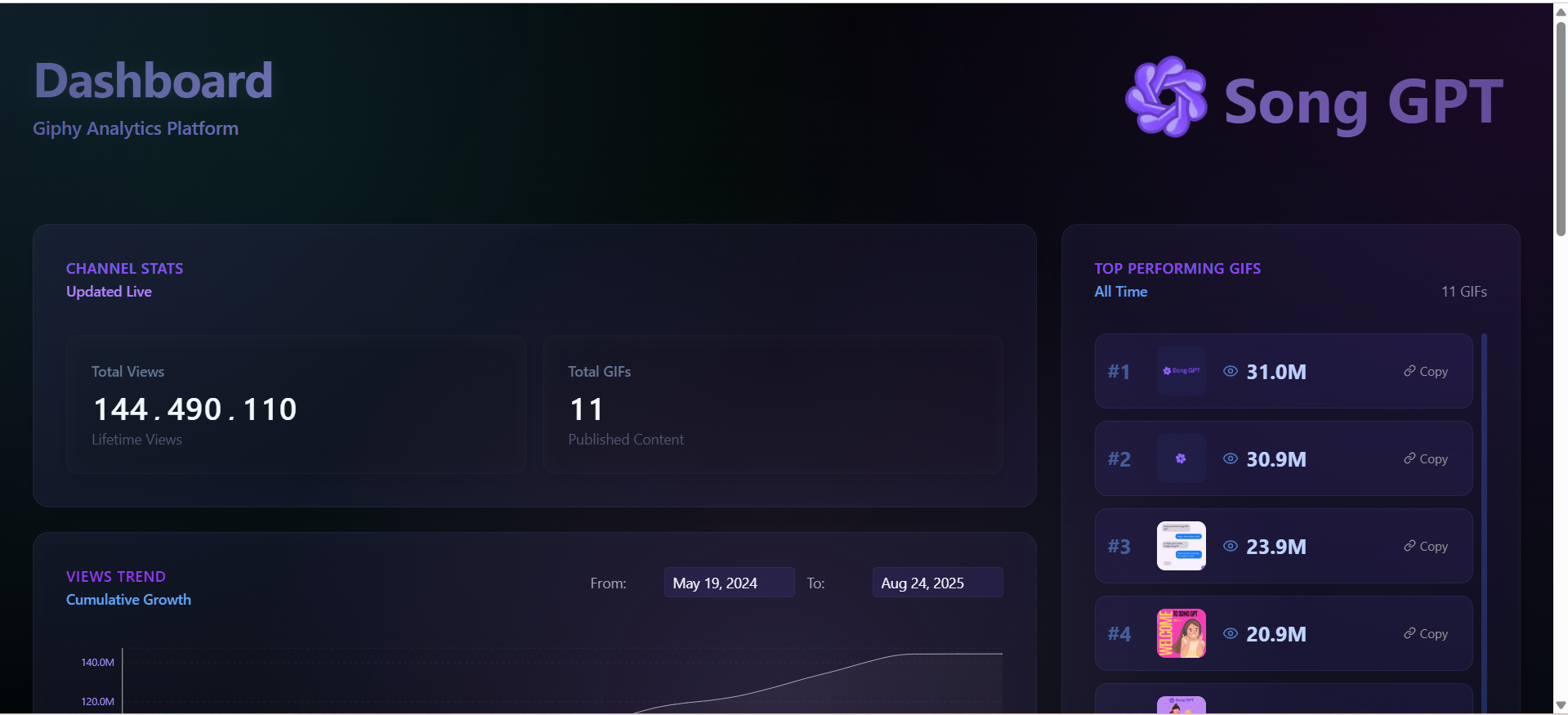
Advantages: SongGPT stands out as a revolutionary AI-powered music creation app, transforming ideas into professional-quality songs in seconds without requiring musical skills. It's designed for a broad audience, from aspiring artists to content creators. A unique feature is its ability to tokenize songs on the Solana blockchain via pump.fun, offering a novel monetization avenue through tradable song assets.
Pros:
- Instant Song Creation: Generate lyrics, melody, beats, and full arrangements from simple text prompts.
- Powerful Lyrics Generator: AI crafts custom lyrics for any theme, acting as a personal songwriter.
- Genre Blender: Mix diverse styles for truly unique tracks.
- Voice-to-Music: Convert spoken ideas into fully formed songs with AI-generated singing.
- Blockchain Tokenization: Offers a cutting-edge way to monetize music by creating tradable song tokens on pump.fun (Solana blockchain), potentially increasing value if the song goes viral.
Other Notable AI Music Generators:
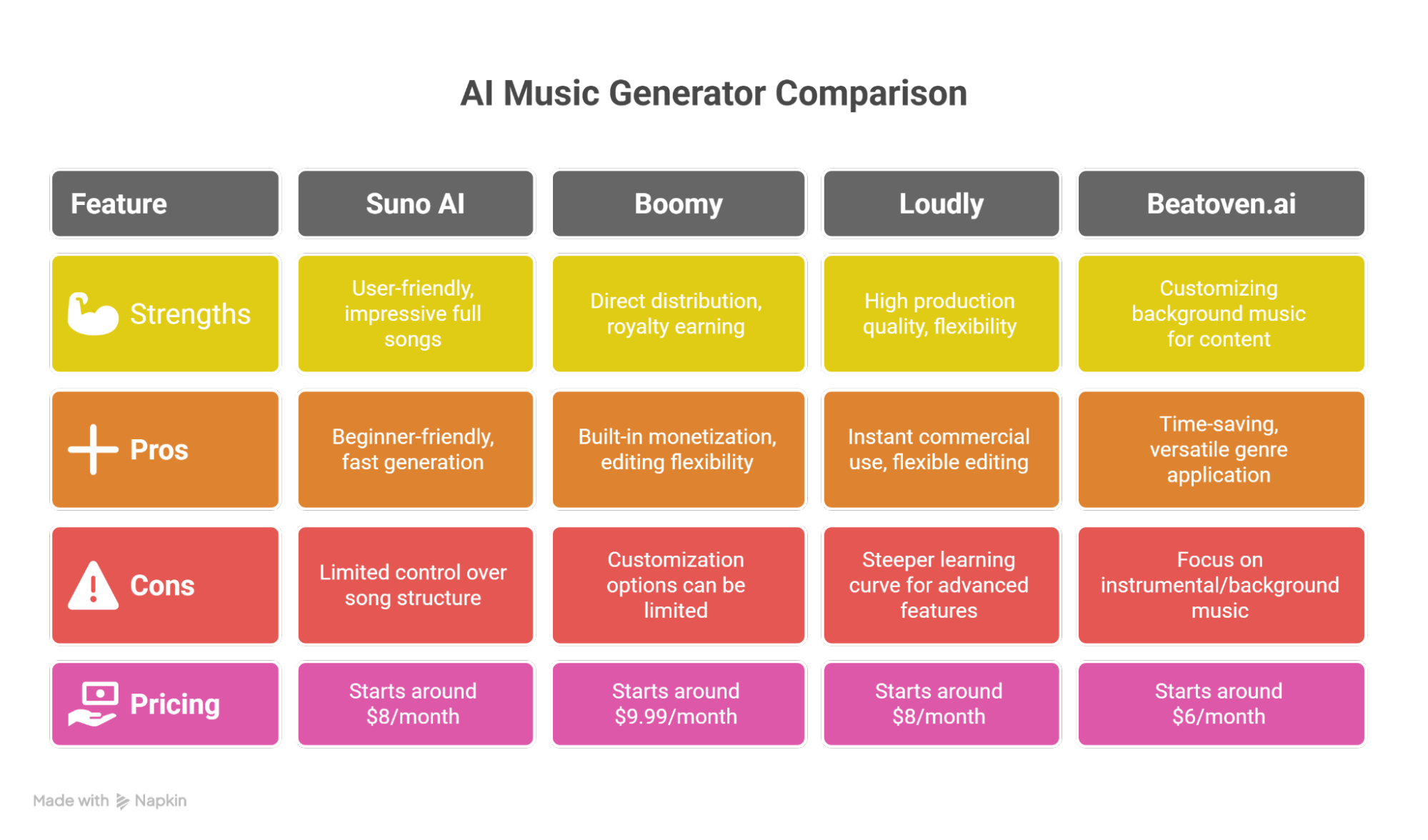
- Suno AI: Extremely user-friendly, known for generating impressive full songs, including vocals, from simple text prompts. Very fast generation. Starts around $8/month for basic plans.
- Boomy: One of the pioneers in AI music generation that allows direct distribution to streaming platforms and royalty earning. Built-in monetization features. Starts around $9.99/month.
- Loudly: Known for its high production quality and flexibility in generating, remixing, and shaping tracks within its platform. Starts around $8/month.
- Beatoven.ai: Specializes in customizing AI-generated background music, making it ideal for content creators needing specific moods. Starts around $6/month, with a free tier.
What are the Advantages of Using AI for Music Creation?
The rise of AI in music is not just a passing trend; it's fueled by undeniable benefits for creators:
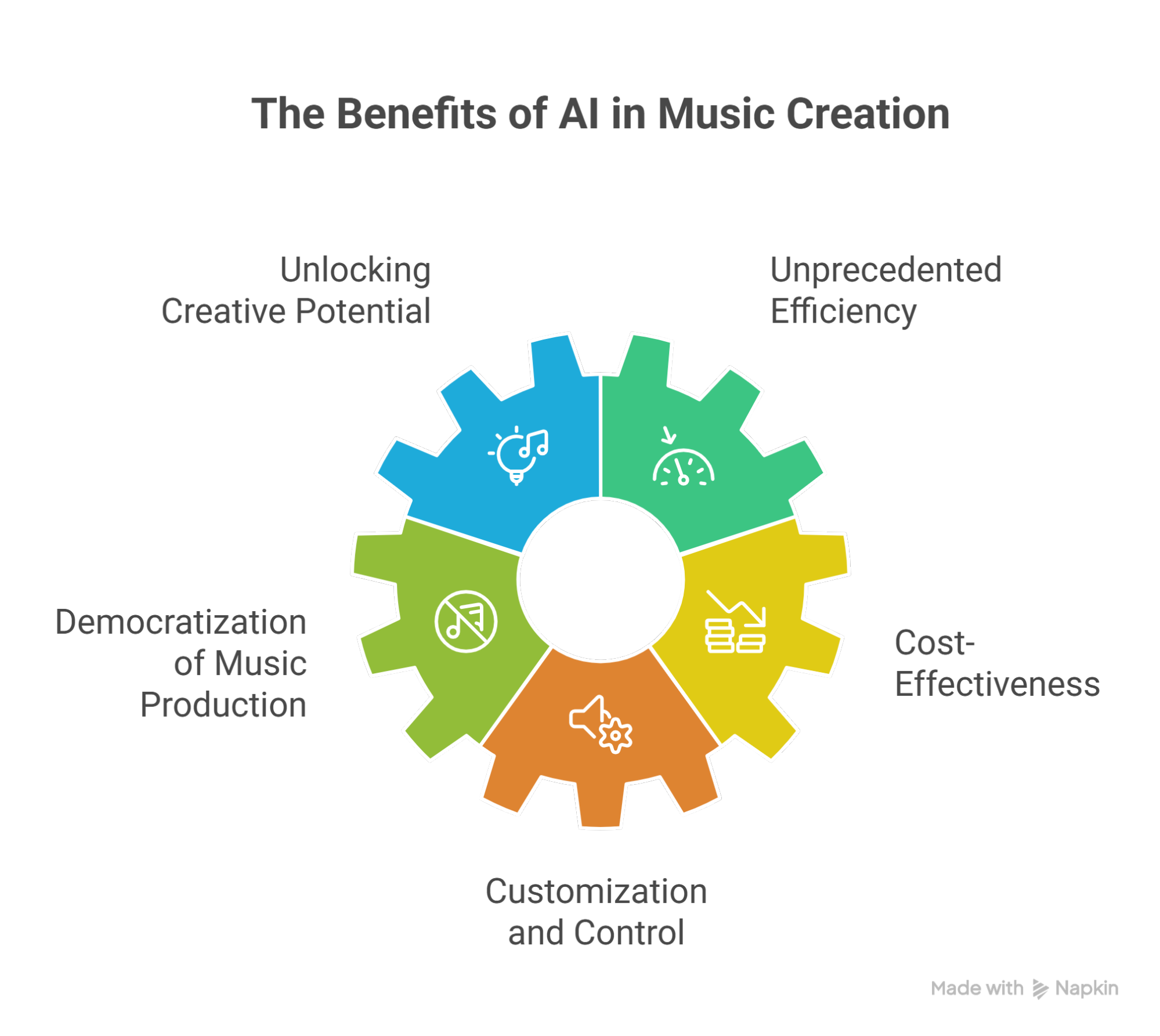
- Unlocking Creative Potential: AI tools like SongGPT can help overcome creative blocks, offering fresh melodies, chord progressions, and lyrical ideas in seconds. This allows creators to experiment with genres and styles they might not typically explore.
- Unprecedented Efficiency: What traditionally takes hours or even days to compose can be generated in minutes. AI can create a basic melody in less than 2 seconds, making it 20 times faster than humans for generating music. This speed is invaluable for content creators with tight deadlines or high volume needs.
- Democratization of Music Production: You don't need years of musical training, expensive equipment, or a studio to produce high-quality music anymore. AI makes music creation accessible to everyone, from hobbyists to aspiring professionals.
- Cost-Effectiveness: Hiring composers or purchasing stock music can be expensive. AI music generators offer a significantly more affordable, or even free, alternative for creating original soundtracks.
- Customization and Control: While AI generates the initial output, tools increasingly offer robust customization options for adjusting tempo, mood, key, instrumentation, and even vocal styles.
What are the Challenges and Considerations for AI Music Creators?
While the opportunities are vast, the landscape isn't without its complexities:
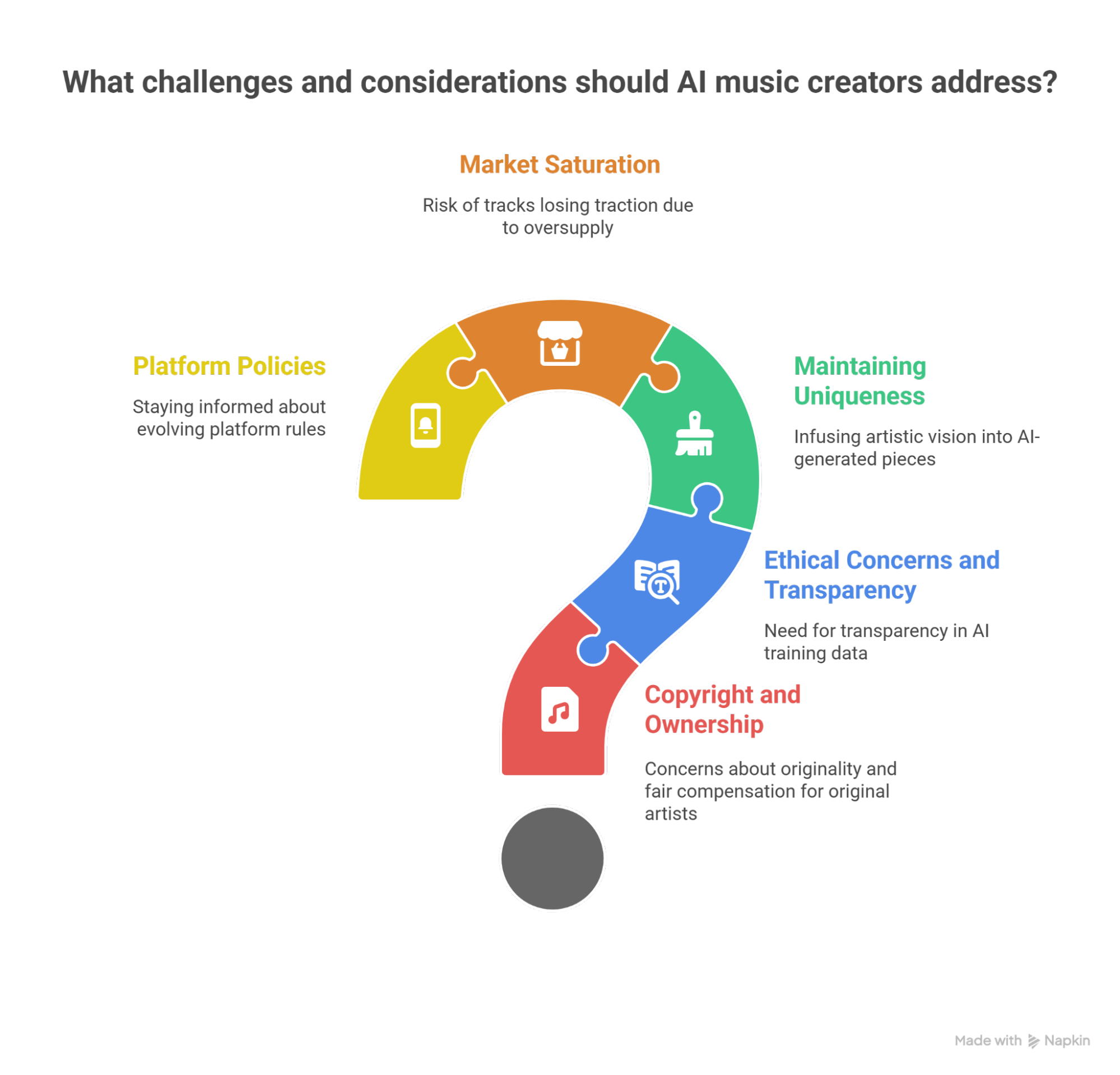
- Copyright and Ownership: This is perhaps the biggest debate. With AI models trained on vast datasets of existing music, questions arise about originality, attribution, and fair compensation for the original artists whose work influenced the AI. 67% of creators express concerns that using AI in music creation makes it more challenging to protect their cultural rights.
- Ethical Concerns and Transparency: There's a growing call for transparency regarding the training data used by AI music generators. 97% of creators advocate for transparency in AI training data.
- Maintaining Uniqueness and Human Touch: While AI can generate technically perfect music, some argue it lacks the "soul" or emotional depth of human-created music. Creators need to find ways to infuse their unique artistic vision into AI-generated pieces to truly stand out.
- Market Saturation: The ease of creation could lead to a flooded market, making it harder for individual tracks to gain traction amidst a deluge of AI-generated content.
- Platform Policies: As AI music evolves, streaming platforms like Spotify and YouTube are continuously updating their policies regarding AI-generated content, royalties, and potential misuse. Creators need to stay informed about these changes.
What Does the Future Hold for AI Music Monetization?
The trajectory of AI in music is one of exponential growth and integration. The artificial intelligence (AI) in music market size is expected to see exponential growth in the next few years, reaching $10.43 billion by 2029 with a CAGR of 23.5%. We can anticipate:
- More Sophisticated AI Tools: AI generators will become even more nuanced, offering greater control over compositional elements, emotional expression, and vocal stylings.
- Enhanced Interactivity: Expect more seamless integration between AI music tools and digital audio workstations (DAWs), allowing creators to refine and personalize AI-generated content with traditional production techniques.
- Evolving Monetization Models: New avenues for earning will emerge, potentially including micro-licensing platforms for short AI-generated snippets, or even direct fan investments in AI-powered musical projects.
- Clearer Regulatory Frameworks: As the industry matures, governments and music organizations will likely establish clearer guidelines for copyright, ownership, and ethical use of AI in music.
The era of AI music is not just about technology; it's about empowering a new generation of creators. With tools like SongGPT, the barriers to entry in music creation are lower than ever, allowing anyone with an idea to compose, distribute, and potentially monetize their musical vision. The stage is set for a truly harmonious future, where human creativity and artificial intelligence collaborate to produce the soundtracks of tomorrow.