


0
Can AI Replace a Music Producer in 2025?

Can AI Replace a Music Producer in 2025?
The soundscape of cinema. A tense string section ratchets up the drama, a sweeping orchestral piece underscores a moment of triumph, or perhaps a pulsating synth-wave track drives an action sequence. Behind every memorable movie moment, a music producer meticulously crafts the sonic narrative. But in 2025, a fascinating question echoes through studios and creative suites: can AI replace a music producer? The short answer, as we navigate the exciting present, leans towards an emphatic "not entirely." AI has evolved into a formidable assistant, yet the irreplaceable human touch of a music producer continues to guide the emotional core of film and beyond.
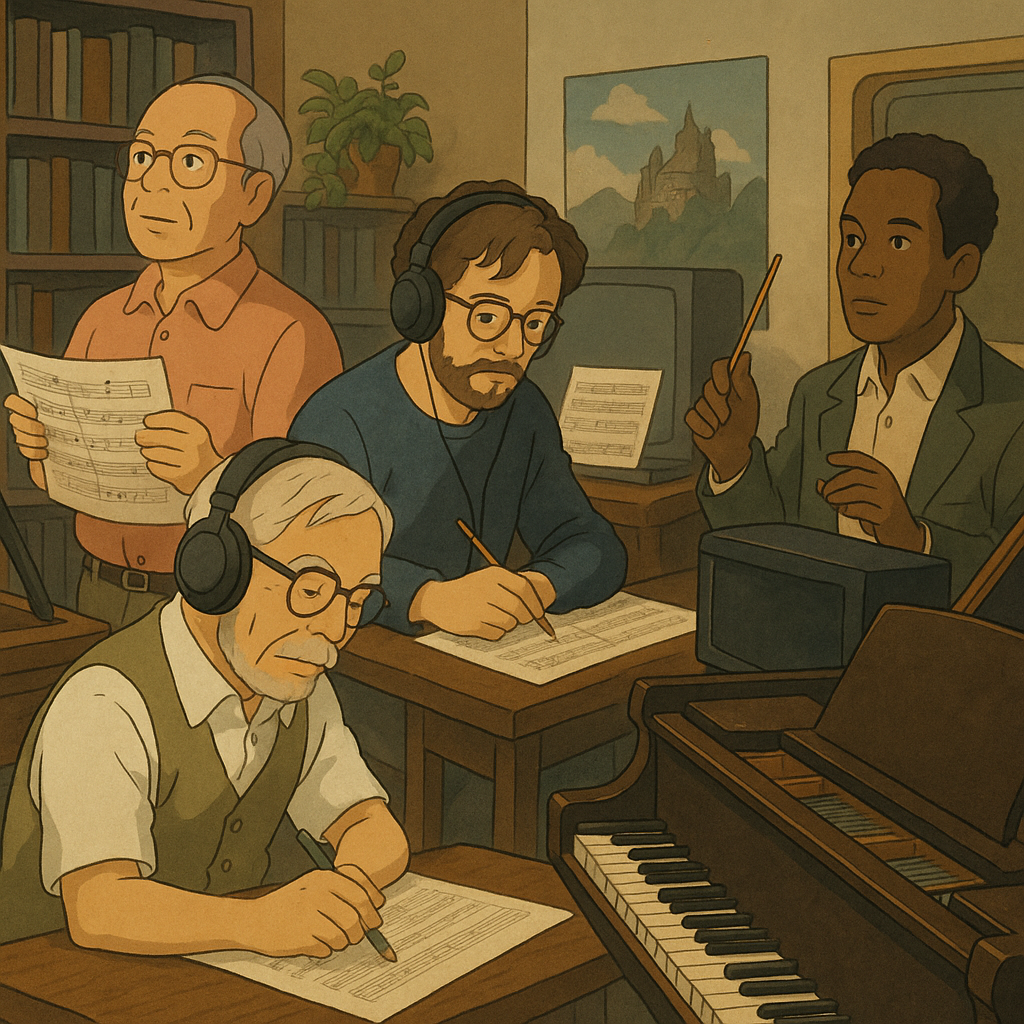
Let's dive into the evolving world of music production, particularly within the bustling film industry, and see how AI is shaping the future.
How Much Music is Being Created for Films Today?
The film and music market is a colossal industry, experiencing robust growth. It's projected to expand from a significant $369.2 billion in 2024 to $393.93 billion in 2025, demonstrating a healthy compound annual growth rate (CAGR) of 6.7%. This expansion is largely fueled by the relentless demand from streaming platforms, which constantly require new and engaging content. (Source: Research and Markets Film and Music Market Report 2025)
Within this thriving ecosystem, the need for original music, from incidental background scores to blockbuster themes, is truly immense. This is where AI music creation is making its mark. The generative AI in music market, specifically, was valued at USD 440.0 million in 2023 and is predicted to jump to USD 569.7 million in 2024, with a staggering projected CAGR of 30.4% from 2024 to 2030, aiming to reach USD 2,794.7 million by 2030. These music industry statistics reveal a clear trend: AI is increasingly being leveraged for its capacity to generate high-quality compositions, harmonies, and even lyrical ideas. (Source: Grand View Research Generative AI In Music Market Size Report) This highlights how the AI music producer 2025 is becoming a reality, working alongside human talent.
This surge indicates that AI-generated music is increasingly finding its place in areas like background scores for films, video games, and commercials, where there's a constant need for custom, adaptable soundtracks.
Can AI Really Replicate a Music Producer's Creative Vision and Emotion?
This is where the heart of the matter lies. While AI can analyze vast datasets of existing music to discern patterns, melodies, harmonies, and rhythms, truly replicating the emotional depth, cultural nuances, and the intuitive leaps that define human creativity remains a significant hurdle. AI excels at generating variations within established musical frameworks or producing pieces based on defined parameters. However, the unexpected spark, the raw, unfiltered emotion of a live recording, or the ability to conceptualize an entirely new genre often remains firmly within the domain of human music producers. The debate surrounding AI-generated music vs human creativity is ongoing, and it underscores the unique value a human producer brings. The human element in AI music is not merely an afterthought; it's the soul.
A human music producer doesn't just assemble sounds; they understand the emotional arc of a scene, the subtle tension a specific chord can create, or the feeling a particular rhythm evokes. This nuanced understanding is what separates a truly impactful score from a merely functional one. For the future of music production with AI, this collaboration will be key.
What are the Leading AI Music Production Tools Available Today?
The landscape of AI music creation software is dynamic and continuously evolving. Here are some of the standout platforms, including the innovative SongGPT, that are shaping the capabilities of the AI music producer 2025:
SongGPT
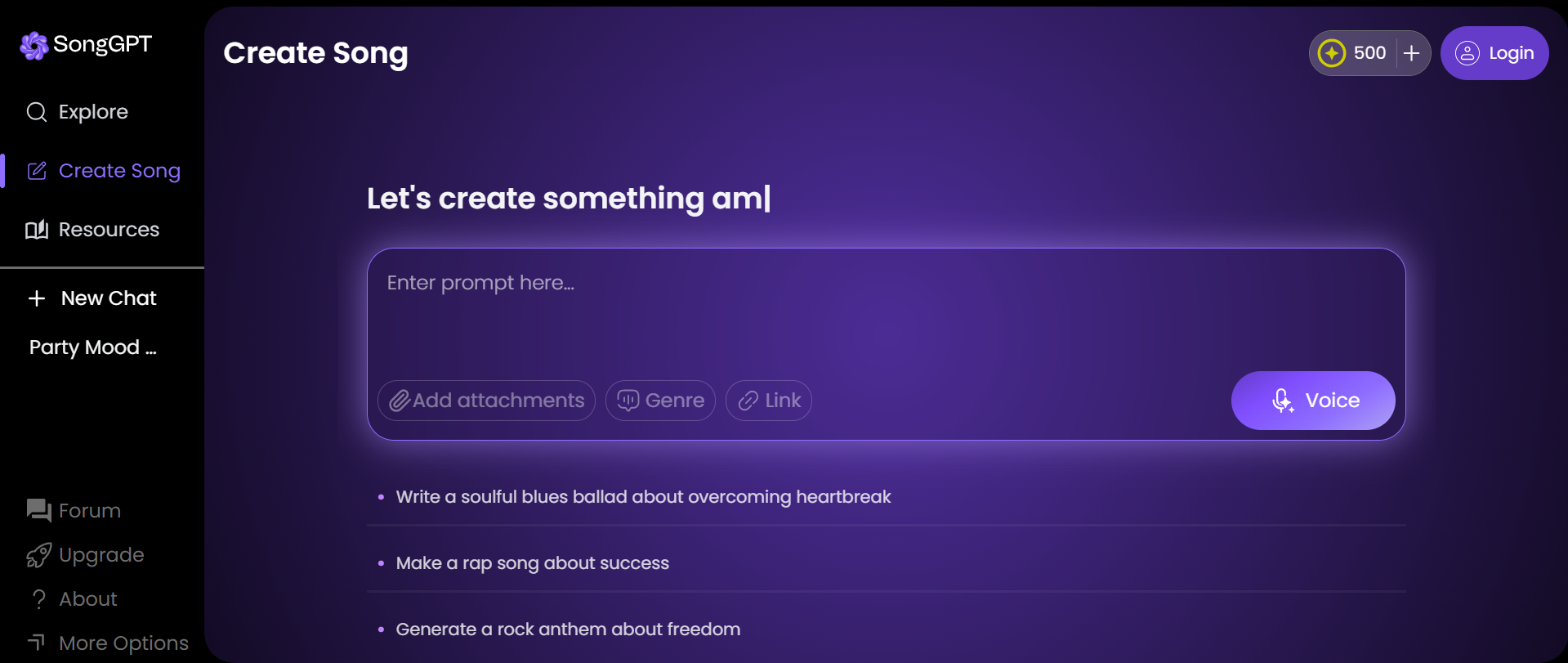
This AI-powered platform is designed to empower musicians and songwriters in crafting unique and inspiring songs. SongGPT aims to democratize the AI music creation process, making it accessible for anyone to express their creativity through song. While specific pricing details can vary based on features, platforms offering similar services typically employ tiered subscription models.
Advantages:
- Rapid Idea Generation: SongGPT can quickly produce melodies, chord progressions, and even lyrics based on user prompts. This is a significant benefit of AI in music production.
- Democratized Accessibility:It lowers the barrier to entry for aspiring musicians who may lack extensive technical knowledge or expensive equipment, broadening participation in AI music creation.
- Accelerated Workflow:It dramatically reduces the time required to create initial musical ideas or complete tracks, positioning it as one of the top AI music tools 2025.
Pros: Enhances workflow efficiency, provides abundant creative inspiration, helps overcome creative blocks, and facilitates rapid prototyping of musical ideas.
Cons: May occasionally lack the profound emotional depth found in human compositions, can sometimes yield generic-sounding results, and raises pertinent ethical questions regarding originality and copyright.
Pricing: Generally subscription-based, with various tiers offering different levels of features and usage limits.
- Creator Pro – $8.75/month - Great for beginners with 3000 credits, basic song generation features, and v1 model access.
- Artist – $12.08/month -Includes 5400 credits, access to "Make Song from Video," and upgraded v1 Pro model.
- Producer – $24.91/month -Best value with 12000 credits, lowest per-song cost, full feature access, and premium support.
LANDR
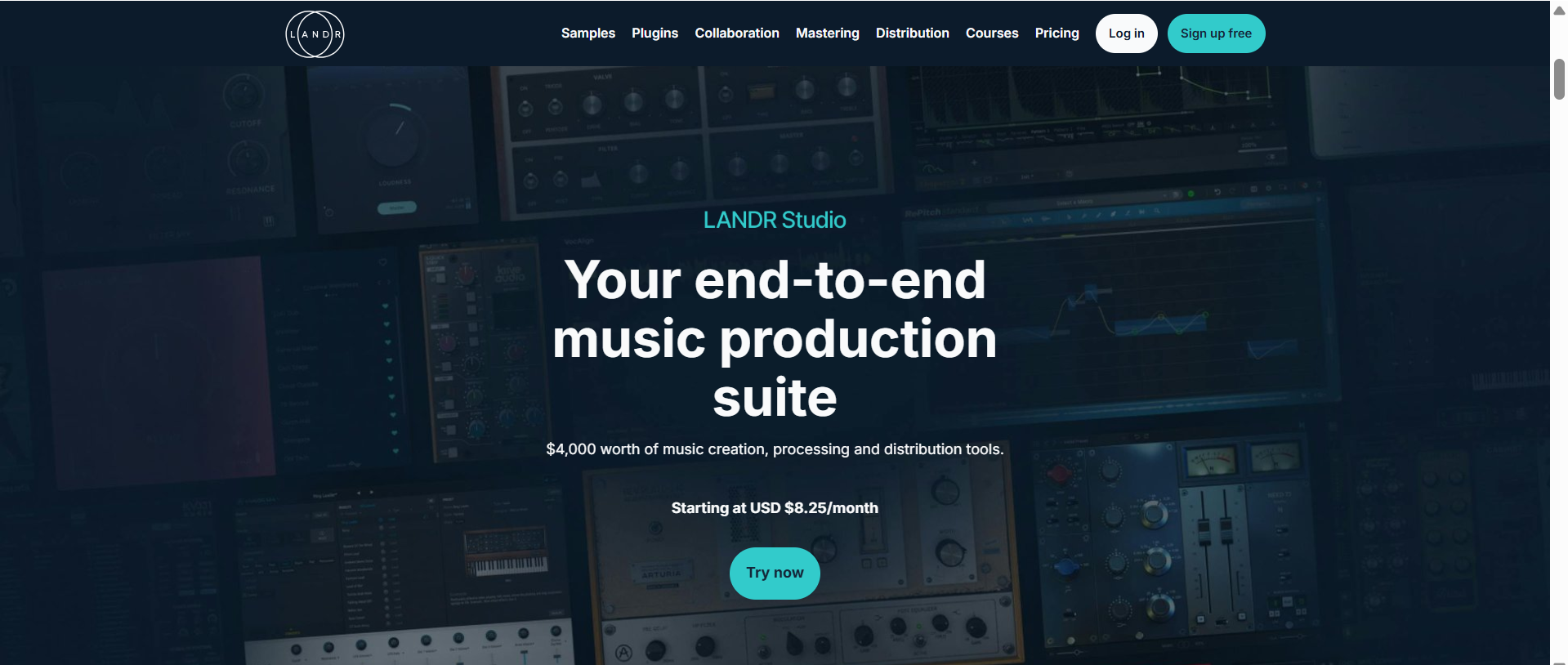
Primarily recognized for its AI-powered mastering services, LANDR has expanded its offerings to include AI music creation software and extensive sample libraries.
Advantages:
- Professional-Grade Mastering: Achieves industry-standard sound quality quickly and affordably.
- AI-Assisted Production: Provides tools for generating musical elements and access to a vast collection of royalty-free samples. Another clear benefit of AI in music production.
Pros: Delivers high-quality audio output, streamlines the post-production process, and offers valuable creative resources.
Cons: Its reliance on algorithms might occasionally constrain unique artistic expression, and users still require a foundational understanding of mixing. These are important challenges of AI music generation.
Pricing: Offers various plans, including per-song mastering and subscription models:
- Essentials – ₹650/month -Ideal for beginners with unlimited MP3 masters, 1200 sample credits, and basic features (no WAV masters or plugins).
- Standard – ₹648.60/month (Recommended) -Offers better value with 36 WAV masters, 1800 sample credits, standard mastering plugin, and higher plugin bundle worth ₹15,000.
- Pro – ₹1,248/month -Best for professionals with unlimited WAV & HDWAV masters, Pro plugin access, 2400 credits, and ₹30,000 in partner and plugin value.
Suno AI

This popular tool is well-regarded for its ability to generate full songs, including lyrics and vocals, from simple text prompts, making it a powerful resource for the aspiring AI music producer 2025.
Advantages:
Complete Song Generation: Quickly creates entire musical pieces.
User-Friendly Interface: Highly accessible, even for beginners, which is a major benefit of AI in music production.
Pros: Facilitates rapid prototyping, allows for quick experimentation with diverse styles and themes, and provides comprehensive output.
Cons: The quality of the output can sometimes vary, with a potential for generic sounds, and it raises ethical considerations concerning vocal synthesis and source material. This is central to the AI-generated music vs human creativity discussion and a key aspect of the challenges of AI music generation.
Pricing: Typically subscription-based, with free tiers for limited use and paid plans:
- Free Plan – $0/month -Basic access with 50 daily credits, standard features, and no commercial rights.
- Pro Plan – $10/month -Includes 2,500 monthly credits, commercial use rights, and access to v4.5 model with advanced editing.
- Premier Plan – $30/month -Best value with 10,000 credits, full commercial rights, and all Pro tools including 12-stem vocal/instrument splitting.
AIVA (Artificial Intelligence Virtual Artist)

AIVA specializes in generating original soundtracks and scores tailored for various media, showcasing another significant advancement in AI music creation.
Advantages:
- Genre Flexibility: Capable of composing music across numerous styles, from classical to electronic.
- Customization Options: Offers a degree of control over the generated music, allowing for tailored results.
Pros: Extremely useful for film scores, video game music, and background tracks; significantly reduces composition time.
Cons: Can be less intuitive for users without a musical background, and often requires further refinement to achieve the desired artistic outcome.
Pricing: Provides free limited plans and paid subscriptions:
- Free, Forever – €0/month -Best for non-commercial use with 3 monthly downloads, MP3/MIDI access, and mandatory credit to AIVA.
- Standard Annually – €11/month -Allows monetization on social platforms with 15 downloads/month and no credit requirement.
- Pro Annually – €33/month -Grants full copyright ownership, unrestricted monetization, and 300 downloads/month with high-quality export options.
What are the Key Benefits of AI in Music Production for Producers?
AI music creation tools offer several undeniable benefits that directly impact music producers:
- Enhanced Creative Flow: For many music producers, AI acts as an invaluable creative partner, sparking new ideas and helping to overcome creative blocks. Imagine an AI generating a dozen unique melody lines for your chorus in seconds, or suggesting unexpected chord progressions that you might not have considered.
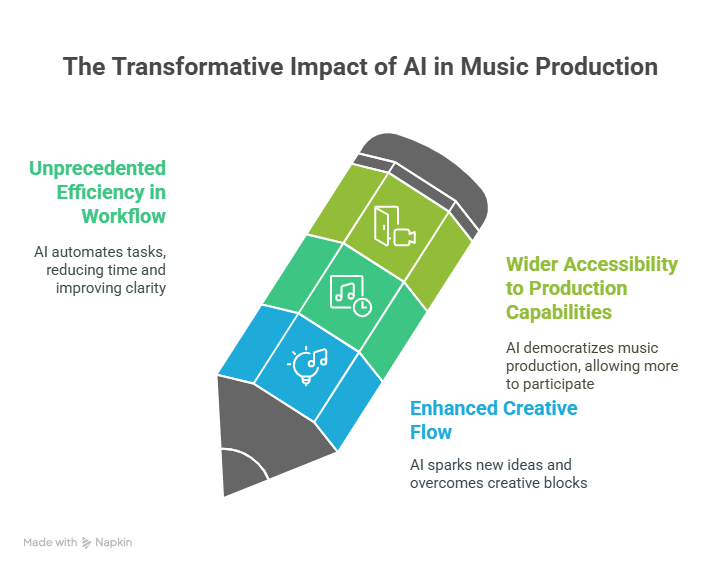
- Unprecedented Efficiency in Workflow: Composing music from scratch, especially for large-scale projects like film scores, is incredibly time-consuming. AI significantly reduces this time by automating repetitive and labor-intensive tasks such as layering loops, building intricate chord progressions, or even generating entire backing tracks. Research indicates that AI mixing can improve sound clarity by 25%, and advanced tools can cut editing time by an impressive 40%. (Source: Vertu Top 3 AI Tools for Audio Production in 2025) This contributes to the evolving role of the AI music producer 2025. music producer 2025.
- Wider Accessibility to Production Capabilities:AI democratizes various aspects of music production. While it doesn't replace the seasoned producer's ear, it allows aspiring producers or content creators to achieve higher quality results without years of musical training, expensive studio equipment, or a deep theoretical understanding of music. This means more individuals can experiment and contribute to AI music creation, broadening the talent pool. These benefits of AI in music production are truly transformative.
What are the Challenges and Limitations of AI in Music Production for Producers?
Despite these remarkable advancements, there are considerable hurdles and considerations for music producers, representing the challenges of AI music generation:
- Concerns About True Originality: A major point of discussion is whether AI-generated music vs human creativity can truly be considered "original." Since AI models are trained on vast datasets of existing music, there's an inherent risk of the output sounding derivative or lacking a truly unique artistic voice. Producers often find that AI-generated tracks, while technically competent, can sometimes sound generic or "robotic," lacking the soul a human infuses. This is a central theme in the future of music production with AI.
- Ethical and Copyright Complexities: For producers, navigating the ethical and legal landscape of AI-generated music vs human creation is paramount. Who holds the copyright to an AI-generated piece? If an AI is trained on copyrighted material, does its output infringe on those rights? These are complex legal and ethical questions that the industry is actively grappling with, and they directly impact the earning potential and rights of producers and artists. Major artists, including Billie Eilish and Stevie Wonder, have openly expressed concerns about AI potentially diminishing royalty pools and opportunities for human musicians, reflecting a direct impact of AI on music industry jobs. (Source:NHSJS The Impact of Artificial Intelligence on Music Production) These music industry statistics AI related issues demand careful attention.
- Variability in Quality and Nuance: While AI can produce surprisingly good results, the overall quality can be inconsistent. Music producers often encounter issues with vocal pronunciation, emotional nuance, and dynamic range, leading to outputs that feel "stiff and awkward" compared to meticulously human-produced tracks. Mastering these subtle aspects is a hallmark of a great music producer, and it highlights the continued importance of the human element in AI music.
- The Absence of True Emotional Connection: For a music producer, music is far more than just a sequence of notes and rhythms; it's about conveying profound emotion, storytelling, and forging a deep connection with an audience. While AI can simulate emotions based on its training data, it doesn't genuinely feel them. The subtle nuances, the improvised flourishes, or the spontaneous magic that often happens in a recording studio with human collaboration are still incredibly challenging for AI to replicate. This is precisely where the human element in AI music remains indispensable. These are significant challenges of AI music generation for producers who prioritize artistic integrity and emotional resonance.
Will AI Truly Replace the Role of a Music Producer?
In 2025, the resounding answer for the foreseeable future is no, not entirely. While the question, can AI replace a music producer, is often posed, it fundamentally misunderstands the comprehensive role of a music producer. Their work extends far beyond technical execution:
- Artistic Visionary: A music producer acts as a crucial guide for an artist's creative direction, truly understanding their unique voice, and helping them articulate their message through sound. This is where the human element in AI music becomes irreplaceable.
- Emotional Intelligence and Guidance: Producers are adept at reading the room, understanding an artist's mood, and skillfully coaxing the very best performance out of them. This remains a core differentiator in the AI-generated music vs human creativity debate.
- Fostering Human Connection: Building genuine rapport, fostering a truly collaborative and inspiring studio environment, and expertly navigating interpersonal dynamics are vital soft skills that AI cannot replicate. The impact of AI on music industry jobs for producers is more about evolving the role than eliminating it.
- Problem-Solving Beyond Algorithms: When a track isn't quite hitting the mark, a human producer uses their vast intuition, decades of experience, and a keen ear to identify that intangible element that's missing, guiding the project to its full potential. This demonstrates the unique complexities of the future of music production with AI.
- A&R (Artists & Repertoire) and Industry Acumen: Many producers play a critical role in discovering new talent, shaping their sound for commercial viability, and strategically positioning them within the market.
AI can certainly automate many technical aspects of music production, such as intricate mixing, precise mastering, and even generating instrumental parts, as demonstrated by advanced AI music creation software. This allows human producers to allocate more of their invaluable time and energy to high-level artistic direction, innovative sound design, and crafting the overarching narrative and emotional impact of a piece of music. Think of AI as a powerful, tireless assistant that handles the technical heavy lifting, freeing up the producer to focus on the truly human elements of creativity, vision, and connection. The AI music producer 2025 is truly a collaborative entity, where the benefits of AI in music production enhance, rather than diminish, the human touch.
The future of music production with AI in 2025 is most likely one of synergy, a collaborative relationship where top AI music tools 2025 augment and amplify human capabilities, making the process more efficient, more accessible, and creatively expansive. The human music producer, with their unique artistic sensibility, emotional intelligence, and unparalleled ability to forge genuine connections, will remain an indispensable force in shaping the sounds that move us all. The impact of AI on music industry jobs for producers suggests a rich evolution, not an obsolescence, emphasizing the enduring power of the human element in AI music. These music industry statistics AI adoption trends validate this collaborative future.
If you are a music fanatic, ensure to drop your hits today in our forum.